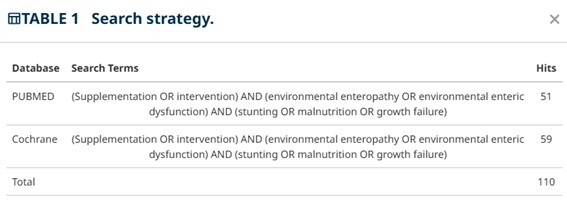
Undernutrition care is a global challenge. This text highlights the long road ahead to achieving health in impoverished countries.
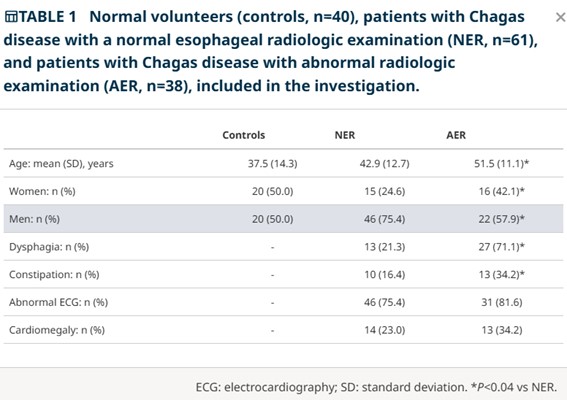
Influence of esophageal motility impairment on upper and lower esophageal sphincter pressure in chagas disease
This study raised more questions than answers. High-resolution manometry may provide additional information in the future.
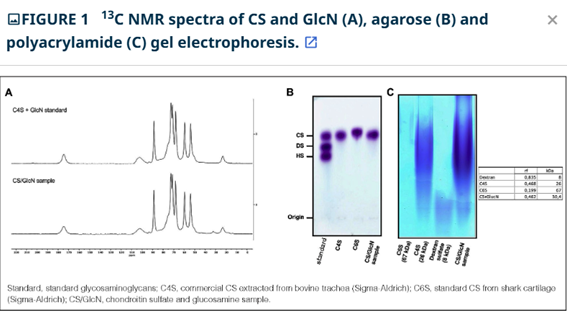
Chondroitin sulfate and glucosamine sulfate as protective and anti-inflammatory agents in the ulcerative colitis dss model in rats
his research starts a feasible way to help IBD treatment.
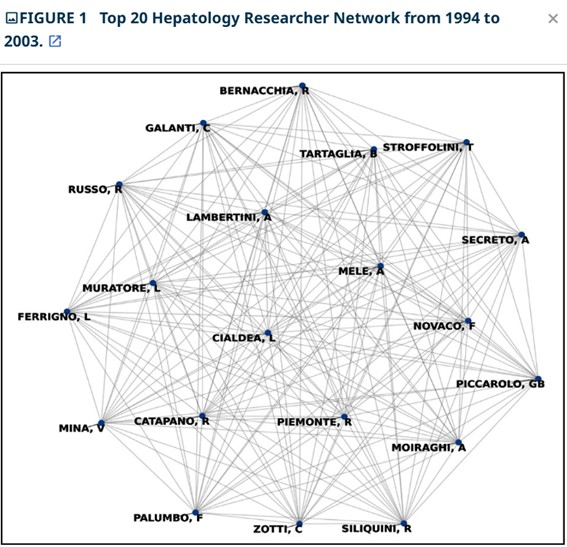
A global view of hepatology collaboration: insights and future directions from 30 years of network analysis (1994-2023)
This research uses modern tools to understand the investigator’s integration in Hepatology.
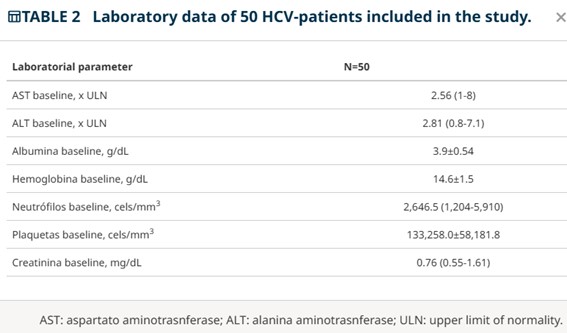
Early noninvasive evaluation of liver fibrosis after hepatitis c treatment: the impact of inflammation
ARFI can assist in evaluating the treatment response in patients with chronic HCV.
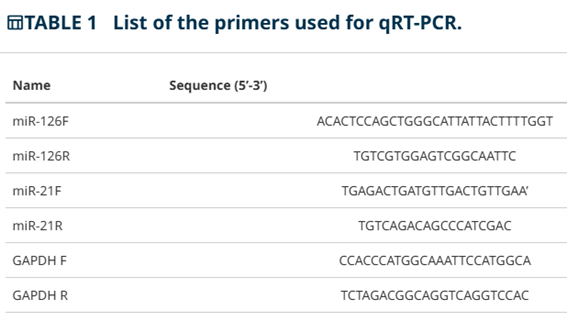
Plasma expression levels of micro rna-21 might help in the detection of hcv patients complicated by hepatocellular carcinoma
This research presents a novel approach to identifying complex cases of HCV patients.
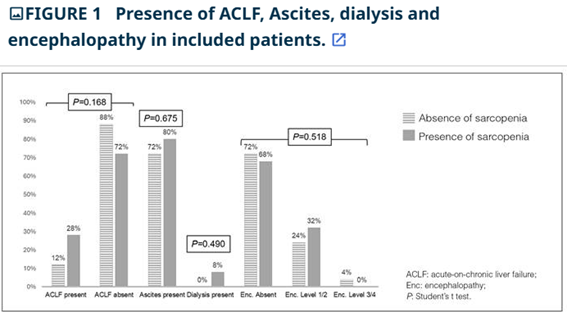
Impact of sarcopenia on the prognosis of patients with cirrhosis hospitalized for acute decompensation or acute-on-chronic liver failure
This research did not find correlation between sarcopenia and acute liver failure.
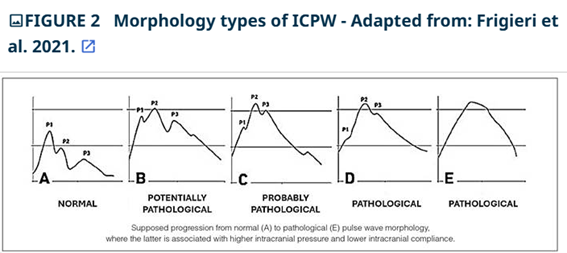
Non-invasive method of monitoring intracranial pressure for the evaluation of hepatic encephalopathy
New endoscopic features could improve better H.Pylori’s diagnostics and give more support to pathologists.
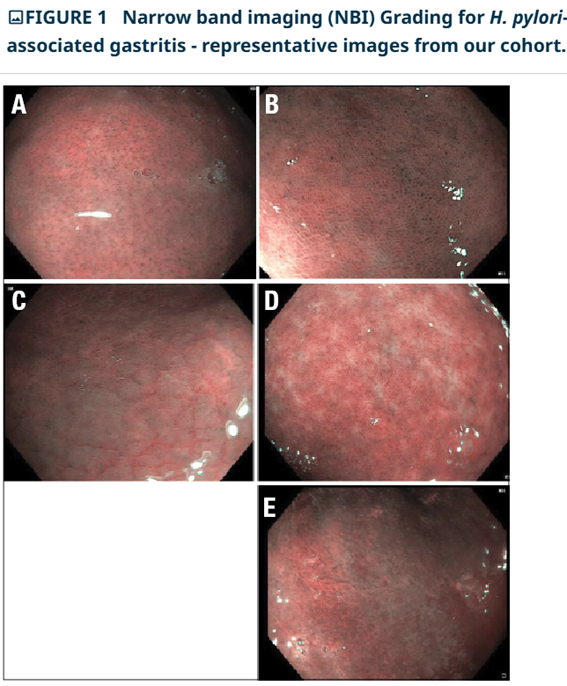
Utility of endoscopic narrow-band imaging for identifying h. Pylori-associated gastritis in children
New endoscopic features could improve better H.Pylori’s diagnostics and give more support to pathologists.
